
The Case for Bilingual Financial Products That Go Beyond Translation
Adding a Spanish-language button to an English financial product is not bilingual design. It is a workaround. And for the 62 million Spanish-speaking people in the United States alone — plus hundreds of millions more across Latin America — the difference between a workaround and a genuinely bilingual product is the difference between being served and being tolerated.
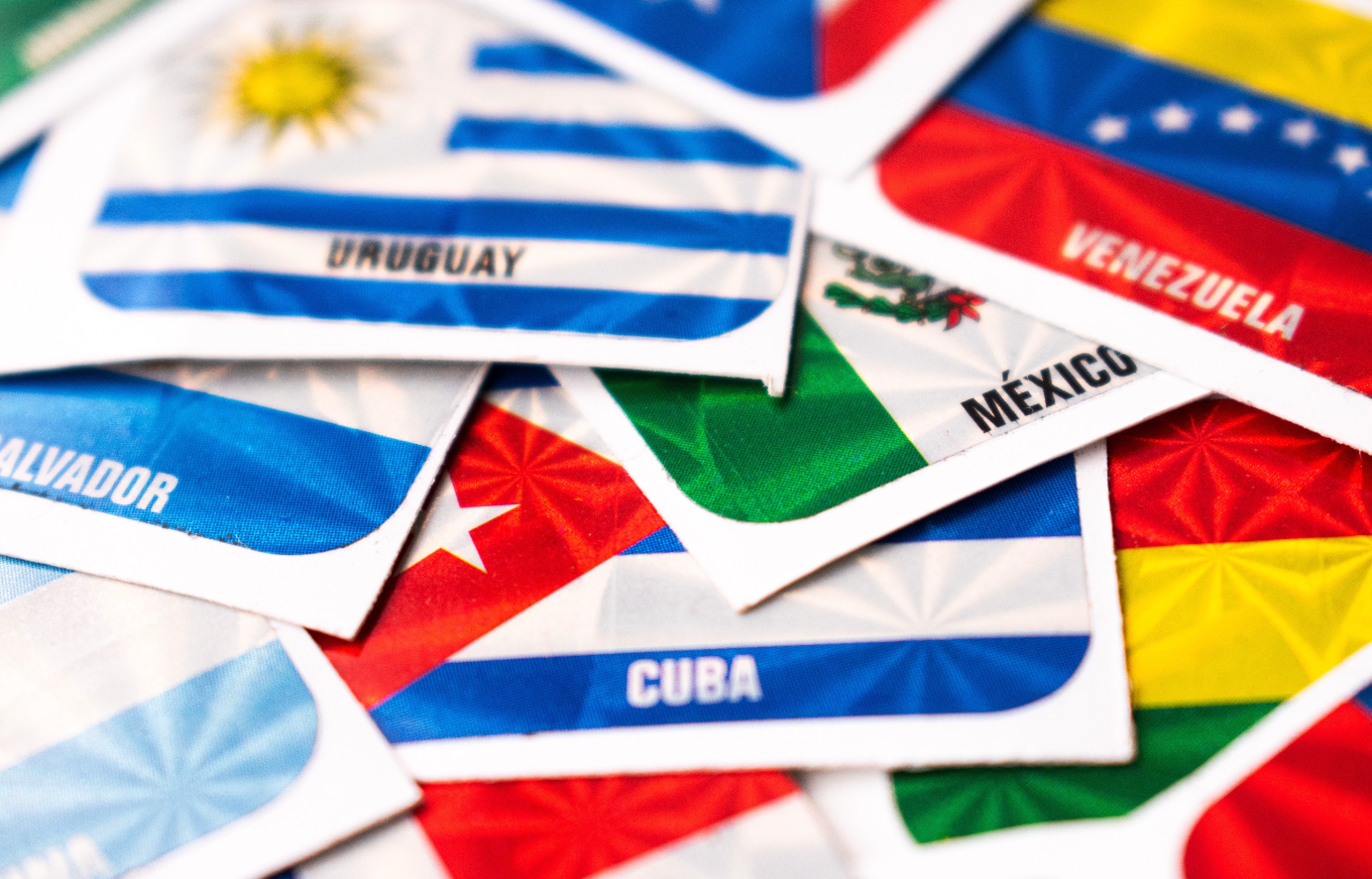
The financial services industry has a translation problem. When a Spanish-language version of a product is created after the English version is finished, it inherits every assumption, cultural reference, and interface decision that was made with a different user in mind. The vocabulary of investing — terms like equity, dividend, index fund, and compound interest — does not carry identical meaning or cultural weight across languages and communities. A translated product rarely accounts for that.
Genuine bilingual design starts at the architecture level. It means making decisions about language, tone, and financial terminology at the same time as decisions about product structure — not after. It means testing the Spanish-language experience with Spanish-speaking users, not just with translators. And it means recognizing that financial literacy itself is culturally specific: the mental models people bring to investing decisions are shaped by the economic environments they grew up in, not by the language they happen to be reading in.
There is also a trust dimension that translation alone cannot solve. Spanish-speaking investors in the United States have a historically documented reason to be cautious about financial institutions. Building trust requires more than accessibility — it requires a product experience that signals, through every design and content decision, that this platform was built with this community as the primary audience rather than an afterthought.
Dvdendo was built bilingual from day one. English and Spanish were treated as parallel design requirements, not sequential ones. The financial education content was written natively in both languages. The product terminology was reviewed for cultural resonance, not just linguistic accuracy. The result is a platform that feels like it was made for Spanish-speaking investors — because it was.
The financial services industry will eventually recognize that bilingual design is not a niche concern. It is a product quality standard. For the platforms that get there first — with genuine bilingual architecture rather than translated English — the competitive advantage will be substantial and durable.
The community is not waiting for the industry to catch up. It is actively looking for the platforms that already have.


Copyright © Dvdendo | 2026